Category: Uncategorized

  • 📚 How to Build a Reading Habit in Kids (A Real Story Every Parent Will Relate To)

    📚 How to Build a Reading Habit in Kids (A Real Story Every Parent Will Relate To)

    In today’s world of screens and short attention spans, getting children interested in books can feel like a challenge.

    But the truth is—children are naturally curious. They love stories.

    For me, the journey didn’t begin with a “plan” to build a reading habit.

    On my daughter’s first birthday, like most parents, I was surrounded by toys, clothes, and gifts.

    But along with all that, I chose to give her something simple—a book.

    At that age, she couldn’t read. She didn’t even understand the story.

    But she loved flipping the pages. Looking at the bright pictures. Holding the book like it was a toy.

    And that’s where it all began.

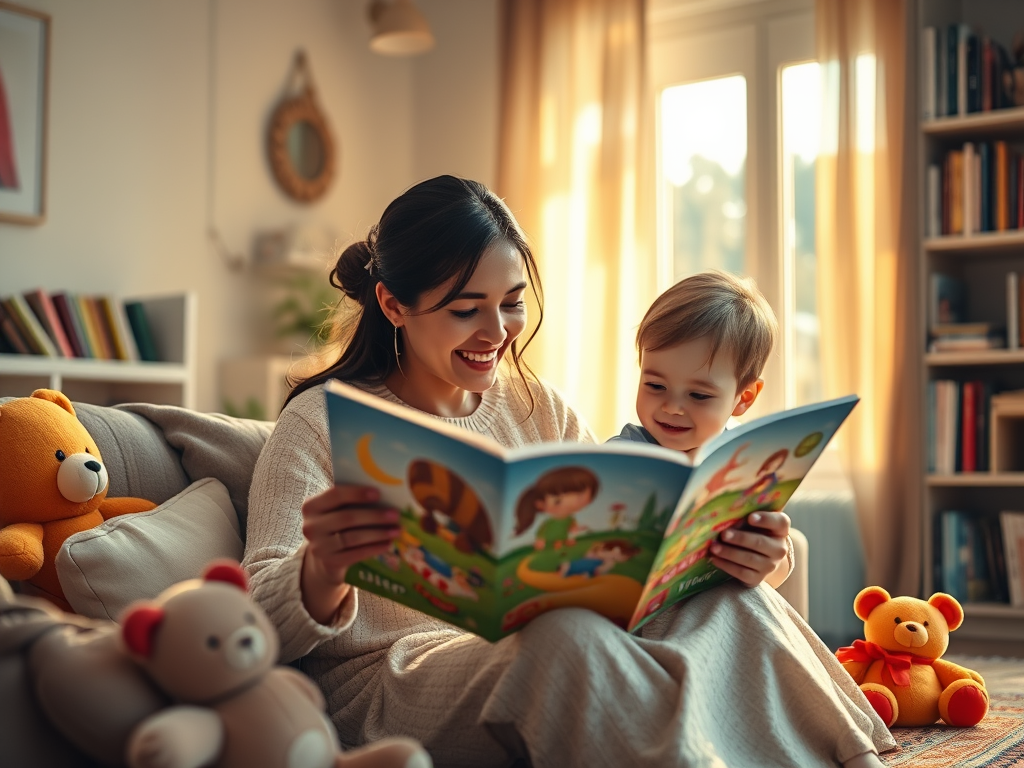
    A colorful picture book, bedtime storytelling, and those quiet moments slowly became part of our daily routine. At first, it was just about turning pages. Then came questions. Then came excitement.

    And before I even realized it—books had quietly become a part of her life.

    What started as a small gesture turned into a beautiful habit… and eventually, a lifelong love for reading.

    If you’re a parent wondering how to build a reading habit in your child, here’s what actually works—not theory, but real-life experience.


    🌱 1. Start With Picture & Board Books (Ages 1–3)

    This is exactly how we started.

    At that age, books are not for reading—they are for exploring.

    Before children learn to read, they learn to observe.

    Picture books:

    • Build curiosity
    • Improve imagination
    • Help kids connect words with visuals

    👉 Great starter options (perfect for 1st birthday gifting):

    These books:

    • Have bright visuals
    • Are durable (tear-proof for little hands!)
    • Build early word recognition

    These books make reading feel like play—not learning.


    🕉️ 2. Introduce Mythological Stories (Ages 3–6)

    As your child grows, stories can become a powerful way to teach values.

    Indian mythology is a goldmine for this.

    Kids naturally get drawn to stories of:

    • Gods and goddesses
    • Kings and warriors
    • Magical adventures

    👉 Best mythological books to begin with:

    These stories:

    • Build values naturally
    • Keep kids engaged
    • Make bedtime storytelling magical

    🎁 3. Make Books a Part of Every Celebration

    This one habit changed everything for us.

    Birthdays, festivals, achievements—every occasion came with:
    👉 One toy
    👉 One book

    👉 Books that make perfect gifts:

    Over time, books stopped feeling “extra.” They became expected.


    📖 4. Choose the Right Books (Ages 6+)

    Now comes independent reading.

    A child will love reading only if they enjoy what they read.

    Here’s what worked for us:

    • Simple language
    • Short chapters
    • Relatable stories

    👉 Easy-to-read books kids love:


    🎨 5. Add Comics & Fun Reading

    This is where reading becomes addictive (in a good way 😊)

    👉 Fun Indian comics kids love:

    These help:

    • Improve reading speed
    • Make reading enjoyable
    • Build long-term habit

    ⏰ 6. Create a Daily Reading Ritual

    No pressure. No strict rules.

    Just:

    • 15–20 minutes before bedtime
    • A cozy corner
    • No distractions

    👉 Optional add-on:


    👩‍👧 7. Read With Them (Especially in the Beginning)

    Children don’t just learn from books—they learn from you.

    • Read aloud
    • Take turns
    • Talk about the story

    👉 Great read-aloud options:


    📚 8. Let Them Choose (Even If It’s the Same Book Again)

    Kids love repetition.

    If your child wants to read the same book 10 times—let them.

    👉 Popular repeat reads:


    🚫 9. Don’t Force Reading

    Avoid:

    • Using reading as punishment
    • “Go read your book now”
    • Comparing with other kids

    Avoid pressure—it’s the fastest way to kill interest.


    🌟 10. Be a Role Model

    If they see you reading, they will follow.


    💡 Final Thought

    Looking back, it didn’t start with a plan.

    It started with one small decision—
    👉 gifting a book on her first birthday

    And that one moment quietly shaped a lifelong habit.


    💰 Affiliate Disclaimer

    This post contains affiliate links. If you buy through these links, I may earn a small commission at no extra cost to you.


    📚 If you found this helpful, explore the book recommendations above—and share this with another parent who might benefit from it.
  • From Our Weekend Routine to Yours: The Do’s & Don’ts of Safely Feeding Street Dogs

    From Our Weekend Routine to Yours: The Do’s & Don’ts of Safely Feeding Street Dogs

    Feeding street dogs is a simple act of kindness—but many people are unsure what is actually safe and healthy for them.

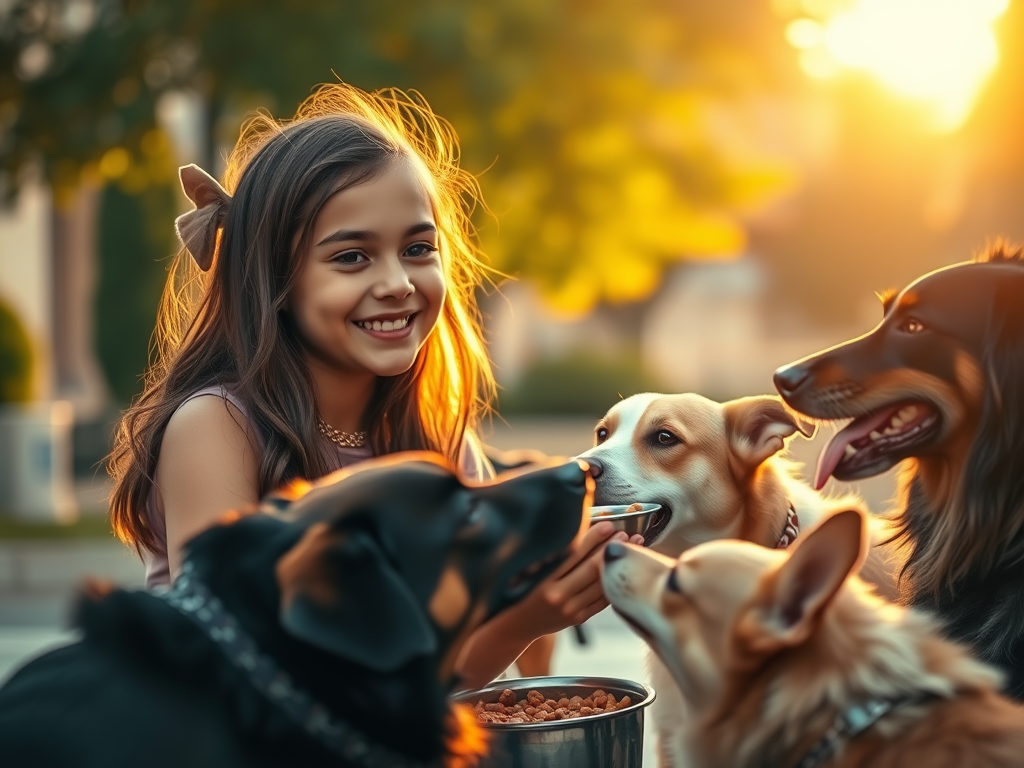
    Over time, through my daughter’s weekend routine of feeding her street dog friends, we’ve learned that small choices can make a big difference.

    If you’ve ever wanted to help but didn’t know where to start, this practical guide on what to feed stray dogs safely in India will help you do it the right way.


    🐕 What You Can Feed Street Dogs

    1. Dry Dog Food (Best & Safest Option)

    Dry dog food is the most balanced and reliable choice.
    It contains essential nutrients and is easy to carry and distribute.

    👉 Affordable options you can consider:

    For Adult Dogs (Recommended for most cases):

    For Puppies (Only when needed):
    Puppy Dog Food – Buy Now (https://amzn.to/3Q6gSYs, https://amzn.to/4szdNP3)

    👉 If we spot puppies, we carry a small pack of puppy food along with regular food.


    2. Dog Biscuits (Great for Quick Feeding)

    Dog biscuits are perfect for quick feeding and bonding moments.

    👉 Recommended options:


    3. Simple Home Food (Healthy & Safe)

    Street dogs often have sensitive stomachs, so simple, non-spicy food works best.

    • Rice + Curd (Yogurt): A much better alternative to milk. Curd is a natural probiotic that helps digestion and keeps dogs cool.
    • Boiled Eggs: A great, affordable source of protein. Always serve plain—no salt or spices.
    • Pumpkin & Carrots: Boiled and mashed vegetables provide essential vitamins and fiber.
    • Plain Boiled Chicken: If using leftovers, ensure it is completely plain (no oil, spices, onion, or garlic).

    👉 Pro Tip: Avoid feeding human biscuits like Parle-G or Marie regularly.
    They contain high sugar and salt, which can lead to skin and kidney issues over time.


    What NOT to Feed Street Dogs

    Avoid giving these foods as they can be harmful or even dangerous:

    • Chocolate
    • Spicy food
    • Fried food
    • Cooked bones (can splinter and cause serious injury)
    • Onions
    • Garlic
    • Sugary items
    • Salty Leftovers

    💧 Don’t Forget Water

    Especially in hot weather, water is just as important as food.

    A small bowl of water can make a big difference.


    ⚠️ Safety First (For You)

    • Don’t pet dogs while they are eating
      Even friendly dogs can become protective around food.
    • Keep the area clean
      Use disposable plates or clean up afterward.
      This helps avoid complaints and ensures the dogs are not disturbed or relocated.

    ❤️ Why It Matters

    Feeding street dogs is not just about food.

    It’s about:

    • Care
    • Consistency
    • Kindness

    Sometimes, they wait for that one person who shows up.

    For many of them, this might be their only meal of the day.


    🐾 Final Thought

    You don’t need to do a lot.

    Even a small effort—once or twice a week—can mean everything to them.

    And sometimes, in giving, you receive more than you expect.


    🐾 Simple Things You Can Carry


    As an Amazon Associate, I earn from qualifying purchases.

    ❤️ If this story resonated with you, feel free to share it with someone who would relate—or leave a comment. I’d love to hear your thoughts.

  • I Don’t Like Dogs… But My Daughter Waits All Week to Meet Them

    I Don’t Like Dogs… But My Daughter Waits All Week to Meet Them

    I don’t like dogs.
    Not out of fear. Not even dislike, really. I just… never felt anything for them.

    But every Saturday morning, my daughter wakes up with a kind of excitement I don’t see on school days.

    It’s not for cartoons.
    Not for outings.
    Not even for treats.

    It’s for the street dogs waiting at the corner of our lane.


    All week, she talks about them like they’re old friends.
    “She must be hungry.”
    “I think he was sad last time.”
    “I’ll take extra biscuits this weekend.”

    I nod, half-listening, not fully understanding how a few street dogs could matter this much to her.

    But to her, they aren’t just dogs.

    They have names.
    They have personalities.
    They have stories.


    Every weekend, she and her father step out together—biscuits and dog food in hand, smiles on their faces, and a quiet little ritual that belongs only to them.

    It started with simple biscuits.

    But recently, we’ve begun making sure she carries proper dog food along too—something more filling, something better for them.
    (You can check something similar here: Dog food option we use)

    Sometimes, we also carry biscuits—whatever we have at home, something like these:

    I watch them leave.

    She walks a little faster than him, almost pulling him along, like she’s afraid her friends might disappear if she’s even a minute late.

    And when she returns, she’s different.

    Lighter. Happier. Fuller somehow.


    One day, I decided to stand at a distance and watch.

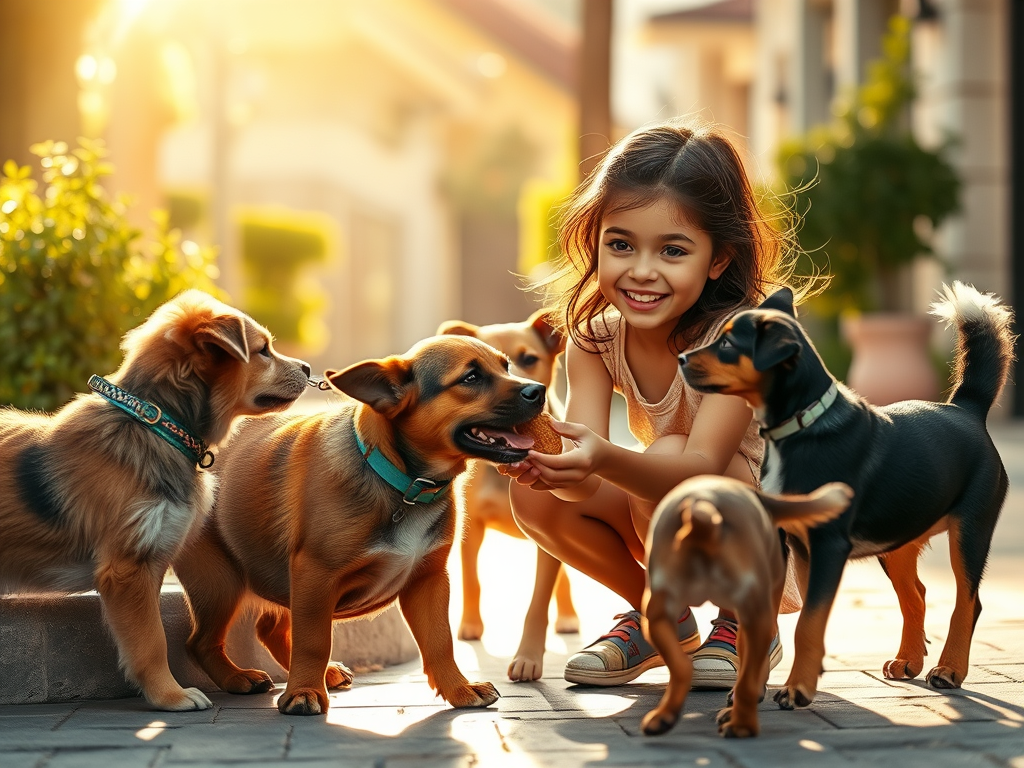
    She crouched down on the pavement, completely unbothered by the dust, the noise, the world around her.

    A small dog came running toward her, tail wagging like it had been waiting all week.

    She laughed.

    Not the polite kind of laugh.
    The real one. The kind that comes from somewhere pure.

    She spoke to them like they understood every word.
    Shared her biscuits carefully, making sure no one was left out.
    Waited for the shy one to come closer.
    Smiled at the playful one jumping around her.

    And for a moment, everything else faded.


    I still don’t like dogs.

    But I’ve started noticing things I never did before.

    How she remembers who didn’t eat properly last time.
    How she worries if one of them isn’t around.
    How she celebrates the smallest things—like a wagging tail or a gentle nudge.

    She’s learning something…..

    Kindness that doesn’t expect anything in return.
    Love without conditions.
    Connection without words.


    I used to think she was just feeding street dogs.

    But now I see it differently.

    She’s showing up for them.
    And somehow, they’re showing up for her too.


    I still stand at a distance.

    Still unsure. Still a little disconnected.

    But every weekend, I find myself watching a little longer.

    Softening a little more.

    Understanding, maybe for the first time, that love doesn’t always look the way we expect it to.

    Sometimes, it looks like a little girl…
    waiting all week
    to meet her street dog friends.


    🐾 What We Carry for Her Street Dog Friends

    If you also feed street dogs, here are simple things that help:


    As an Amazon Associate, I earn from qualifying purchases.

    ❤️ If this story resonated with you, feel free to share it with someone who would relate—or leave a comment. I’d love to hear your thoughts.

  • What Parents Really Feel During Their Child’s Exams

    What Parents Really Feel During Their Child’s Exams

    Today, my daughter’s final exams begin.

    She is in Grade 6, and like every year, she has prepared, revised, and done her part. But as the exams approach, I realize something—these exams are not just stressful for children, but for parents too.

    We may not say it out loud, but we feel it.

    There is a constant thought in the back of our minds—Has she prepared enough? Will she remember everything? Will she be confident in the exam hall?

    We try to stay calm for them, encouraging them, telling them not to worry. But somewhere, we carry that same nervousness within ourselves.

    We check their bags, revise with them, remind them of small things, and most importantly, try to boost their confidence. Because at this stage, it’s not just about studies—it’s about how they handle pressure and believe in themselves.

    I’ve realized that exams are not just a test for children, but for parents too. A test of patience, support, and understanding.

    More than marks, what truly matters is that they try their best, stay calm, and learn from the experience.

    As her exams begin today, I remind myself to trust her preparation and let her do her part.

    Because sometimes, the best thing we can do as parents… is to support, not stress.

  • How My Daughter’s Homework Inspired Me to Start Blogging

    Sometimes, the simplest moments in life lead to something new and unexpected.

    Recently, my daughter was preparing for her computer exam, and one of her topics was “What is a blog?” and the steps to create one using WordPress. As a parent, I wanted to help her understand it better—not just in theory, but practically.

    So, we sat together and created a WordPress account. Step by step, I showed her how a blog is created, how you choose a name, and how you can start writing your own posts.

    But somewhere in that process, something interesting happened.

    What started as helping her with homework slowly turned into something for me. I realized that I had created a space where I could write, share my thoughts, experiences, and maybe even help others who are just starting out—just like my daughter.

    It made me think—how often do we delay starting something new, thinking we need the perfect time or a perfect idea?

    This small moment reminded me that sometimes, all we need is a simple start.

    So here I am, beginning this journey with Manisha Writes—a space where I’ll share my thoughts, learning experiences, bits of daily life, and everything in between.

    And it all started with a simple homework question.